 AA Global
 How to Trade a Ranging Market (Free Guide)
Key takeaways
- If you cannot tell who is winning, it is a range, and inside a range every trade is a gamble
- Mark the high and the low, then sit on your hands
- A real break comes with displacement: a fair value gap through the range
- Limit order on the gap, stop beyond the first candle, target twice your risk
- You are not guessing direction, you are waiting for the market to declare it
Stop guessing
Is the market going up or down? If you have to guess, the answer is neither. This guide walks through the exact play from the video, frame by frame: identify the range, wait for the market to show its hand, then trade the break with fixed risk.
Step 1: Recognise the range
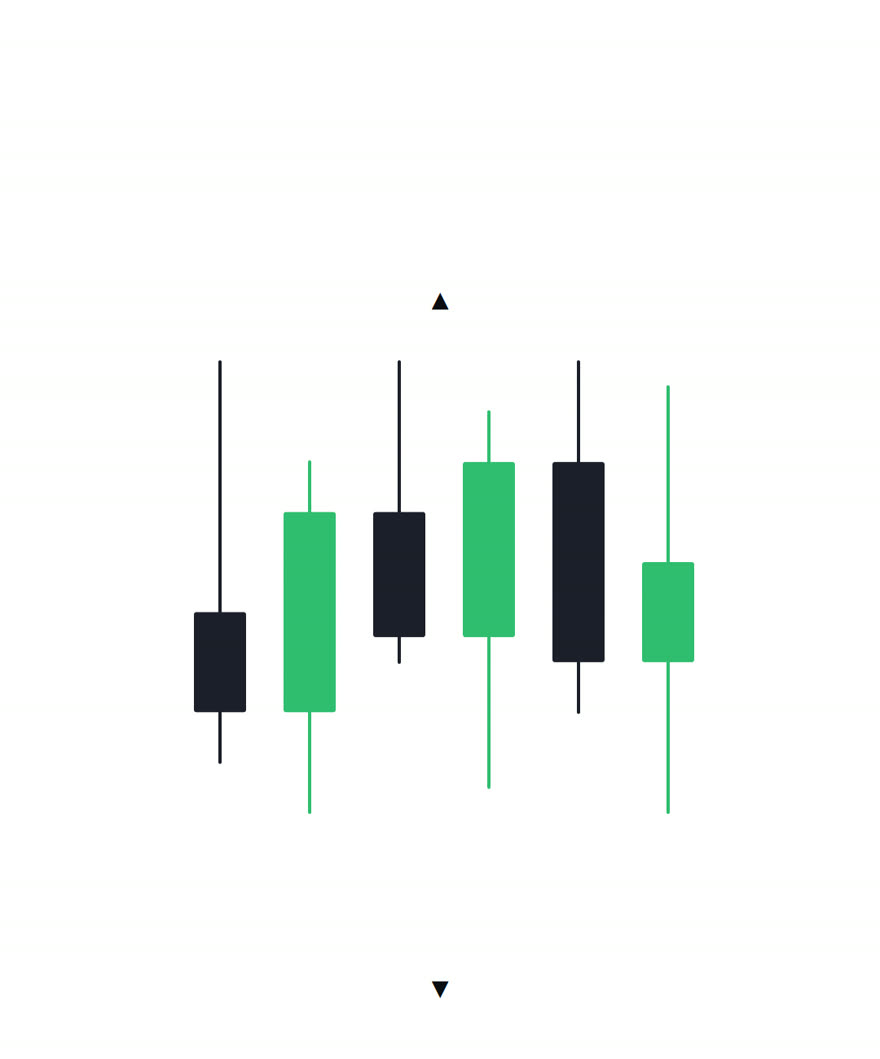
Price chops sideways, candles overlap, and every push gets rejected. There is no trend to follow here, and that is the first decision: recognise it and stop looking for one.
Step 2: Understand why inside is a gamble
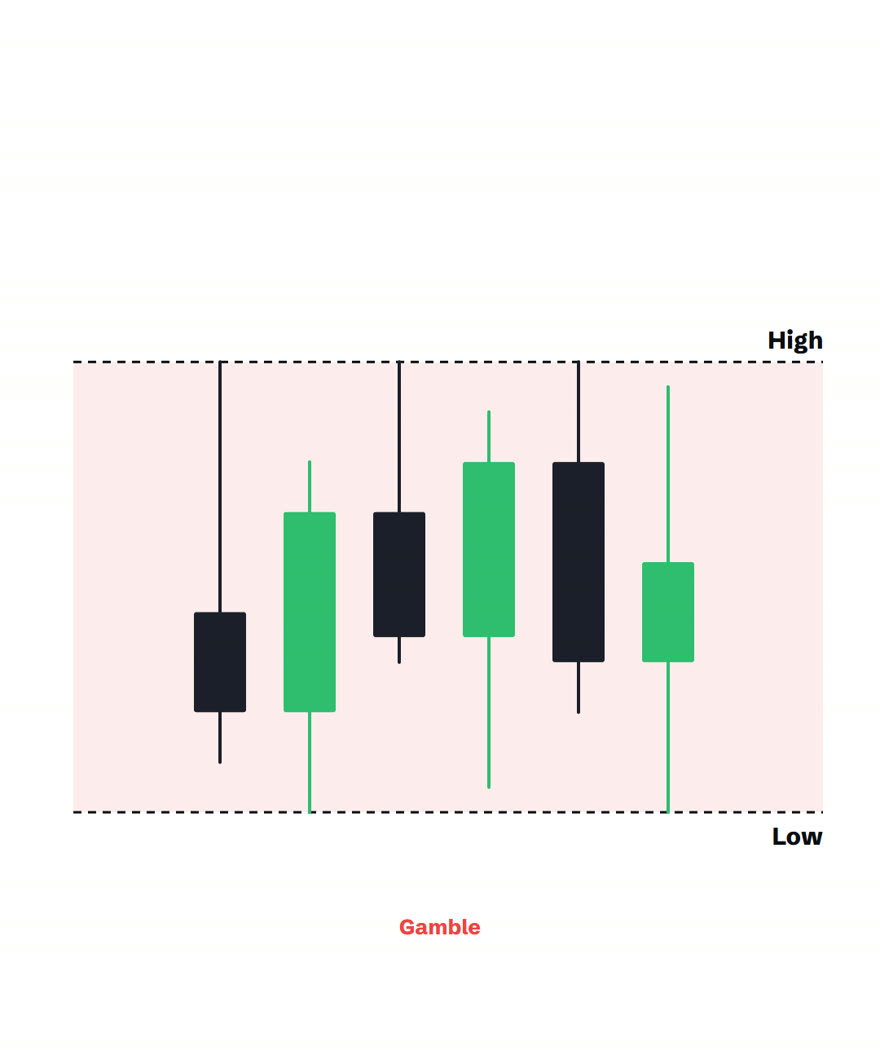
Every entry inside the range is a bet on noise. Spread and stops eat you alive while price goes nowhere. The discipline play is simple: no trades inside the box.
Step 3: Mark the high and the low, then wait
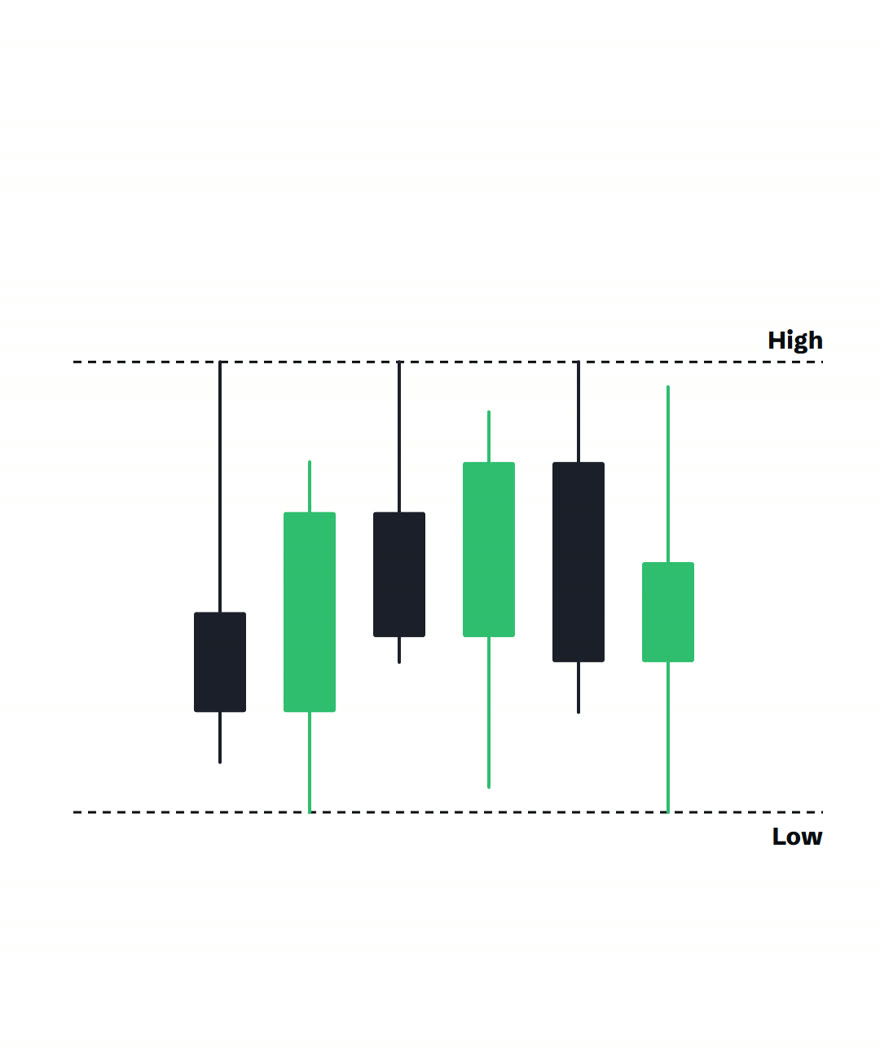
Mark the range high and the range low. Those are your tripwires. Then sit on your hands. Most of this strategy is refusing to act until the market acts first.
Step 4: Wait for the gap through the range
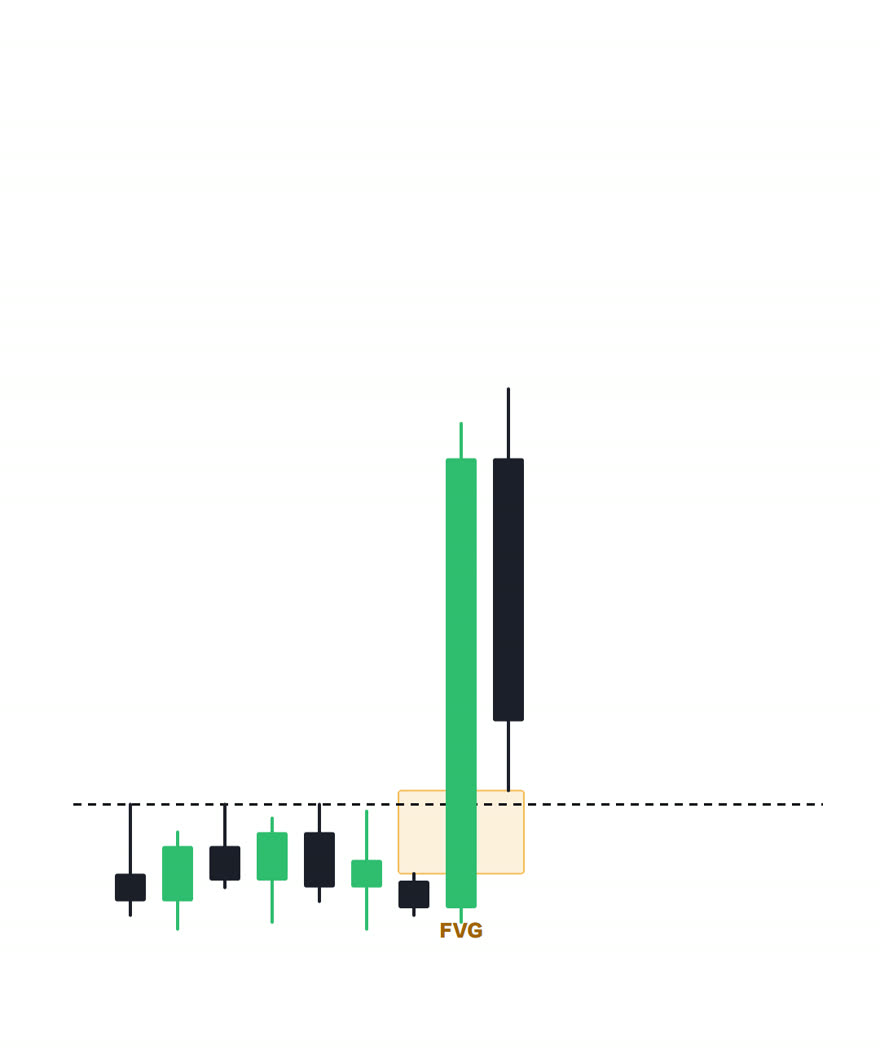
Not a wick, not a candle close. You want displacement: a candle so forceful it leaves a fair value gap through the range boundary. That gap is the market finally declaring who won, and it becomes your entry zone.
Step 5: Set the orders
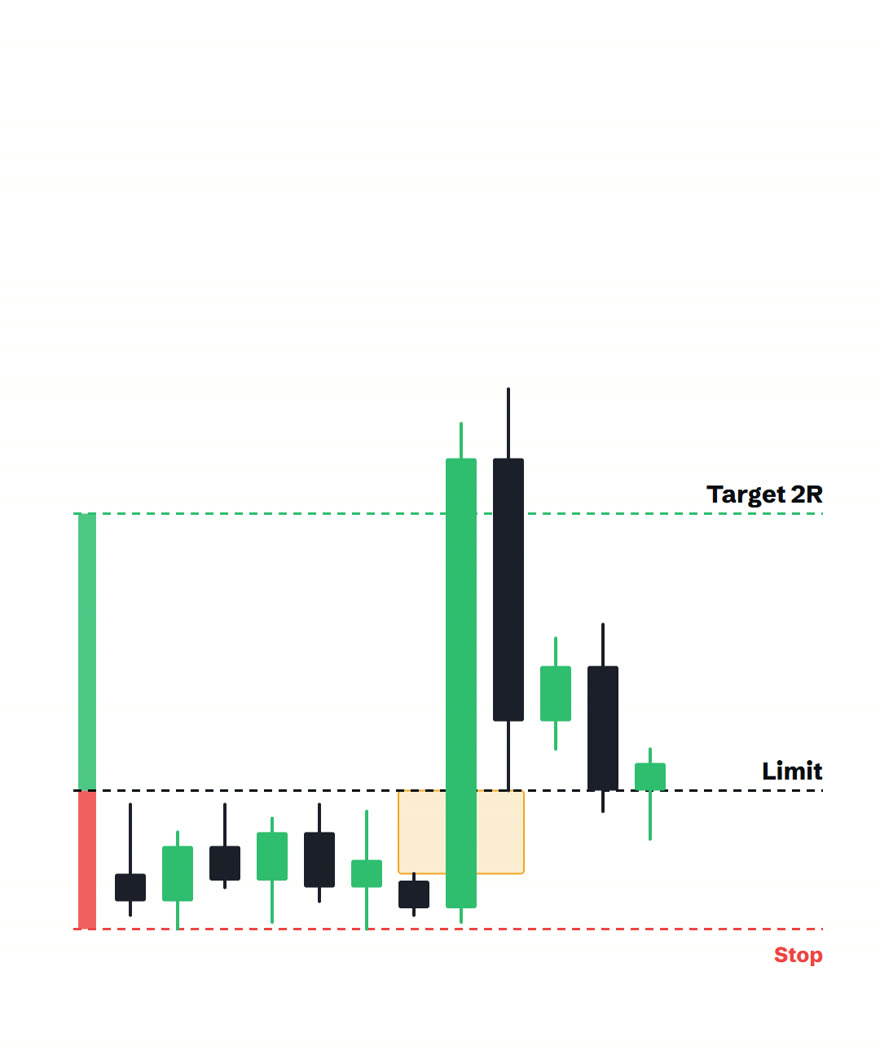
- Limit order: on the gap the breakout left
- Stop: beyond the first breakout candle
- Target: twice the distance to your stop, fixed
Step 6: Let it deliver
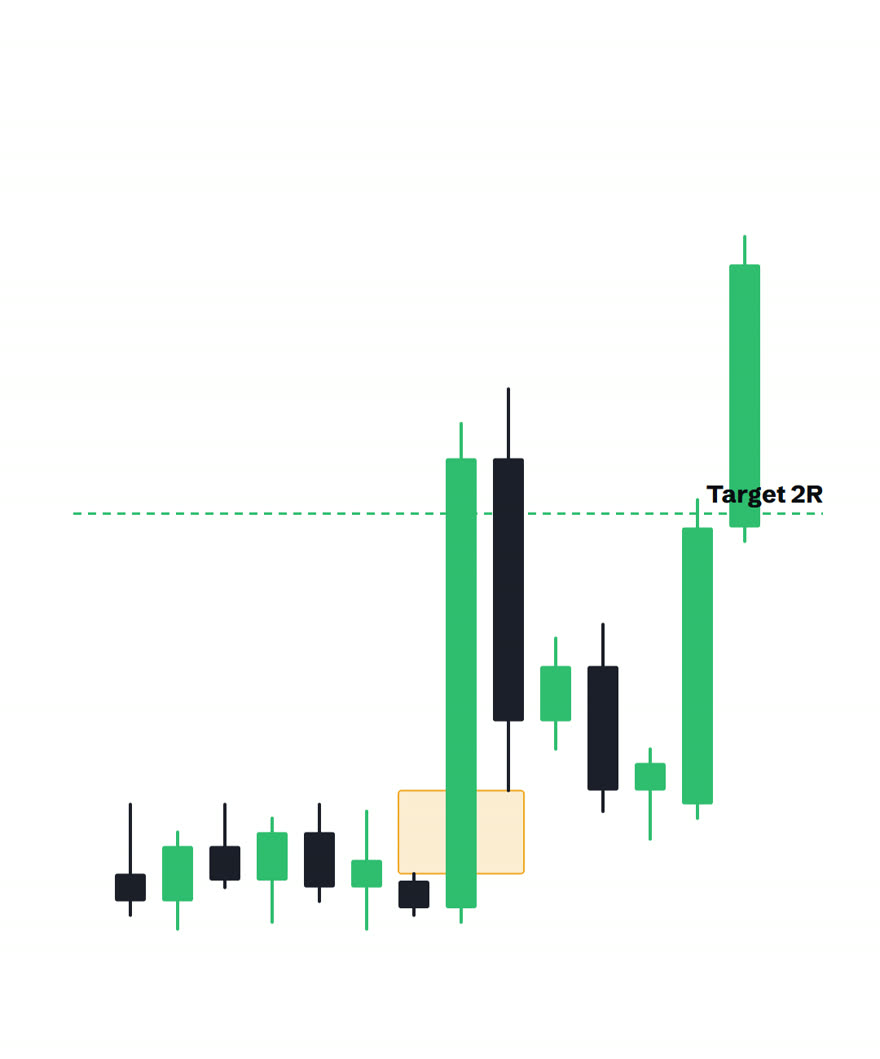
Price pulls back into the gap, fills your limit, and runs. You never guessed direction; you waited for the market to show who was in control and went with it. If the retest never comes, the trade never happens, and skipping is free.
Before you trade it
Practise spotting ranges and gaps on the free entry trainer, run live setups through the pre-trade checklist, and if candles and structure are still new, start with the free beginner course. Take 20 demo trades before real money.
Try trading free, $10,000 virtual demo →Frequently asked questions
How do I know the market is ranging?
Why is trading inside a range a gamble?
What confirms a real range breakout?
Where do the orders go on a range breakout?
Can I practise range breakouts without risking money?

Keep learning
New to trading entirely? Start with the free beginner course: 20 short lessons from zero to your first demo trade.