 AA Global
 The 5 Chart Patterns Every Trader Needs (Free Guide)
Key takeaways
- Fair value gaps show forceful, directional moves
- Engulfing candles show one side taking complete control
- Swing failures trap the chasers and fuel the reversal
- Break and retest confirms a level has flipped
- Rejection wicks mark defended levels
Five patterns, every day
These five show up on every market, every day. Spot them and you read the chart better than most people trading it. Each image below is taken straight from the video.
1. Fair value gaps
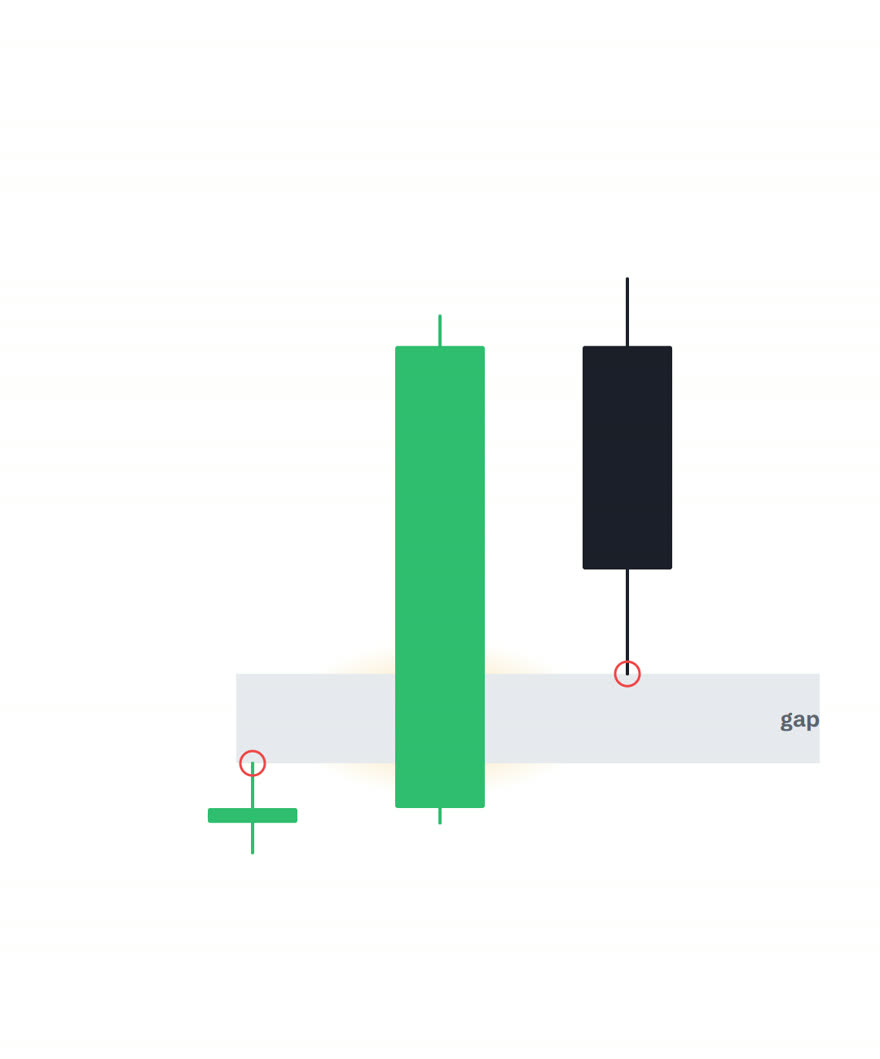
When a candle moves with real force it leaves a gap between the neighbouring wicks. That is strong directional movement, and the zone it leaves behind often gets revisited before the move continues.
2. Engulfing candles
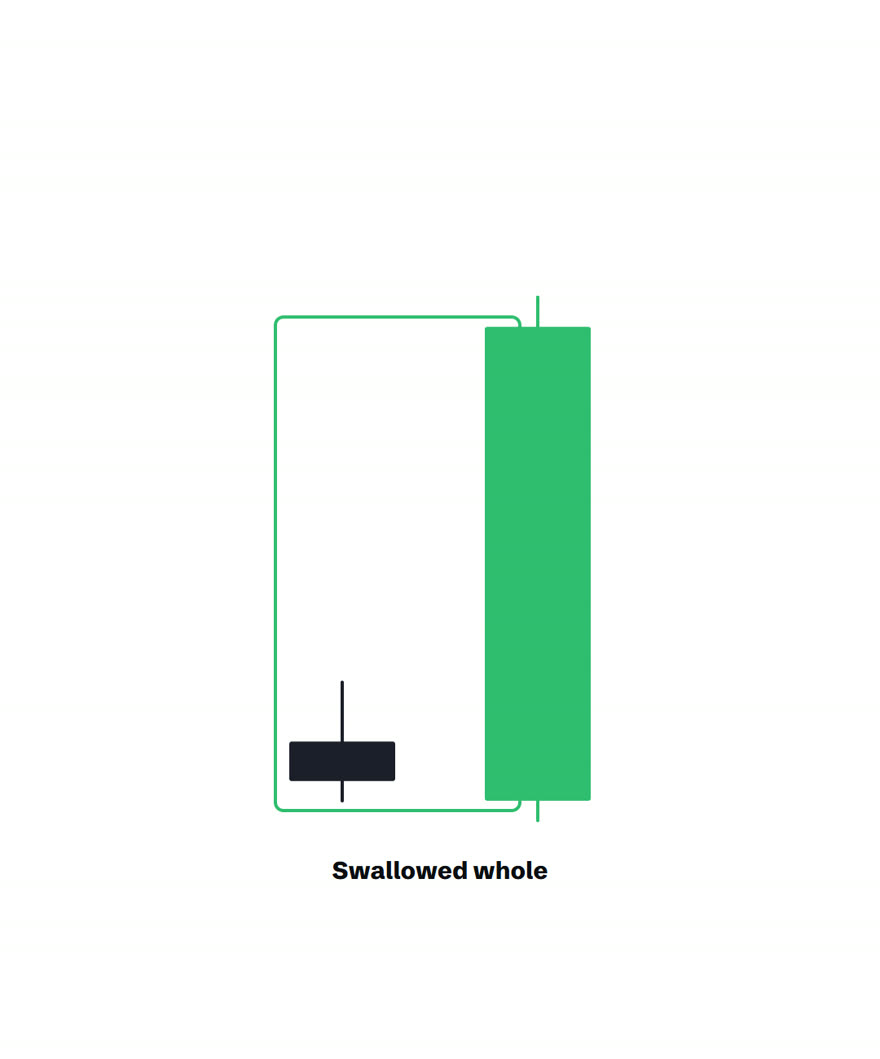
When one candle's body completely swallows the one before it, control has changed hands in a single candle. At a level you care about, it is one of the cleanest confirmation triggers there is.
3. Swing failures
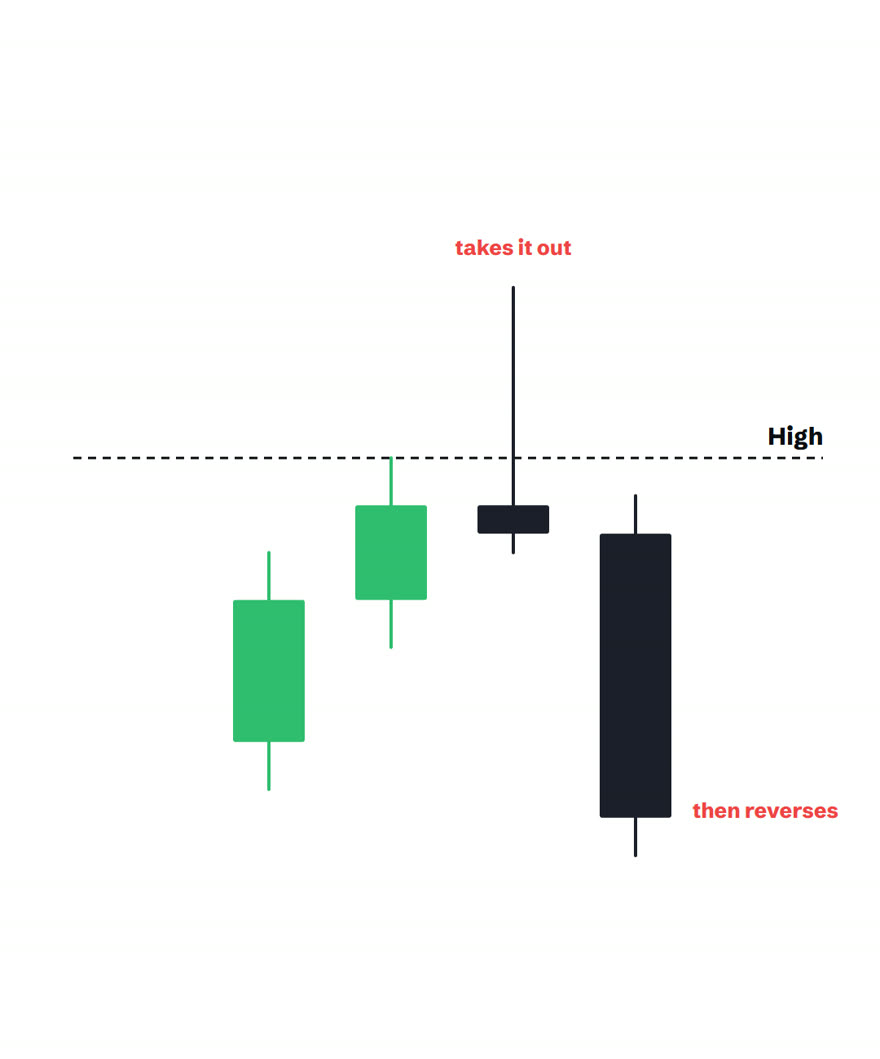
Price takes out an obvious high or low and instantly reverses. Everyone who chased the break is now trapped, and their exits power the move the other way. That is momentum you can measure.
4. Break and retest
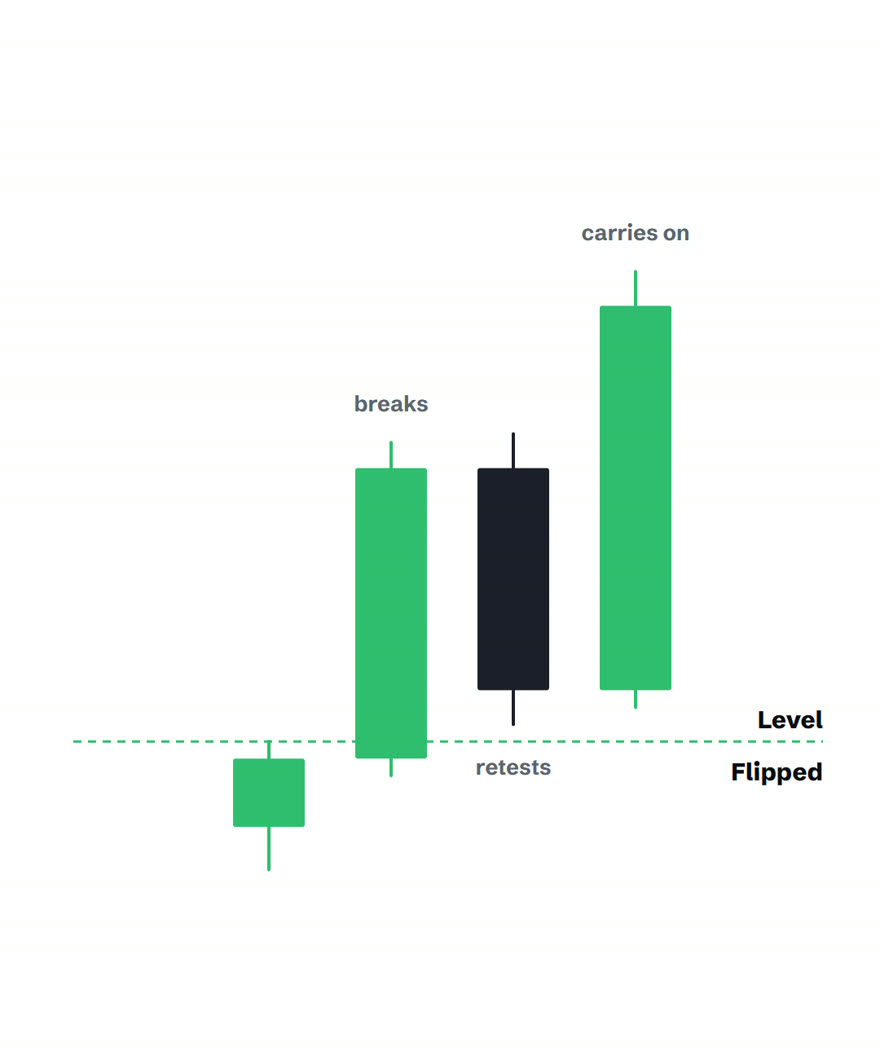
Price breaks a level, pulls back to test it from the other side, and carries on. The successful retest is the confirmation that the level flipped, from resistance to support or the reverse.
5. Rejection wicks
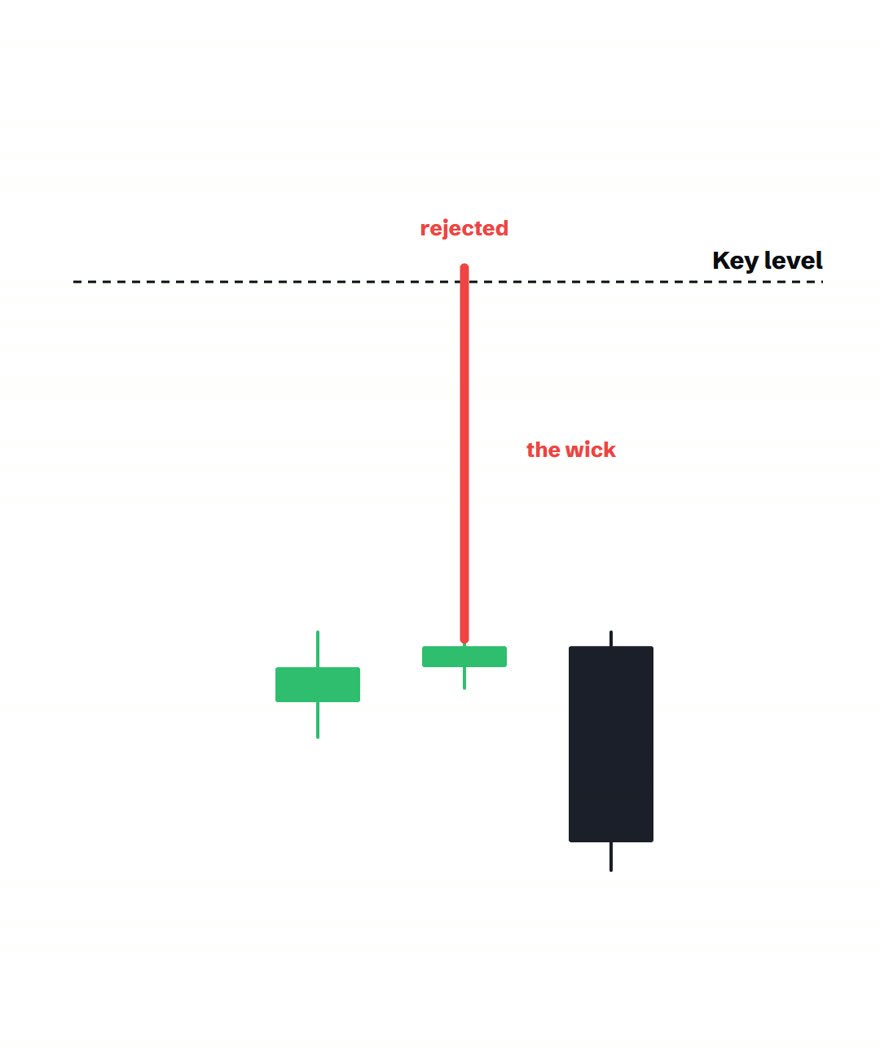
A long wick at a key level means price tried to push through and got rejected hard within a single candle. It is the market telling you the level is defended, and a potential reversal signal when it appears at extremes.
Put them together
None of these is a trade on its own. The opening range strategy shows how gaps, retests and engulfing candles combine into one complete setup. Practise spotting all five on the free entry trainer, and if you are starting from zero, the free beginner course builds up to these patterns lesson by lesson.
Try trading free, $10,000 virtual demo →Frequently asked questions
Are chart patterns reliable?
What is the most important pattern for beginners?
What does an engulfing candle mean?
What is a swing failure?
What do long rejection wicks mean?

Keep learning
New to trading entirely? Start with the free beginner course: 20 short lessons from zero to your first demo trade.